This page provides an insight into managing a flock of sheep over the course of a year.
January / Feb
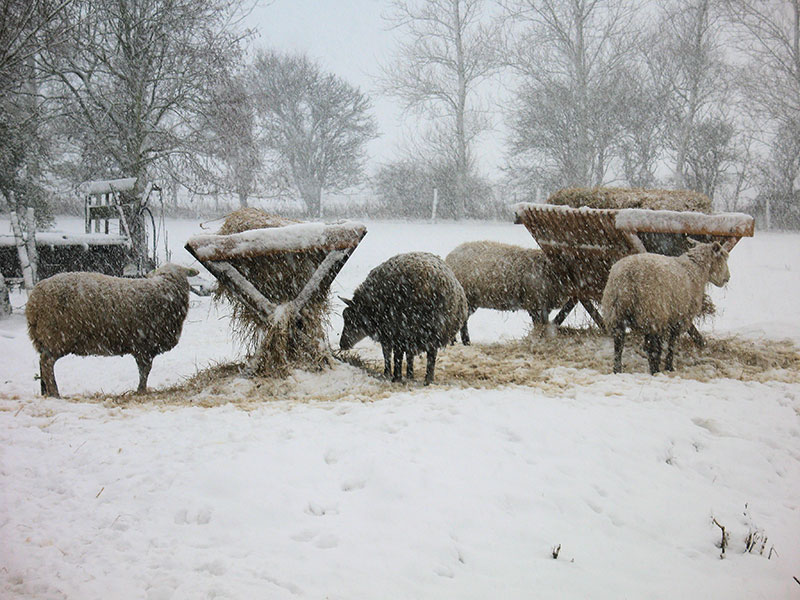
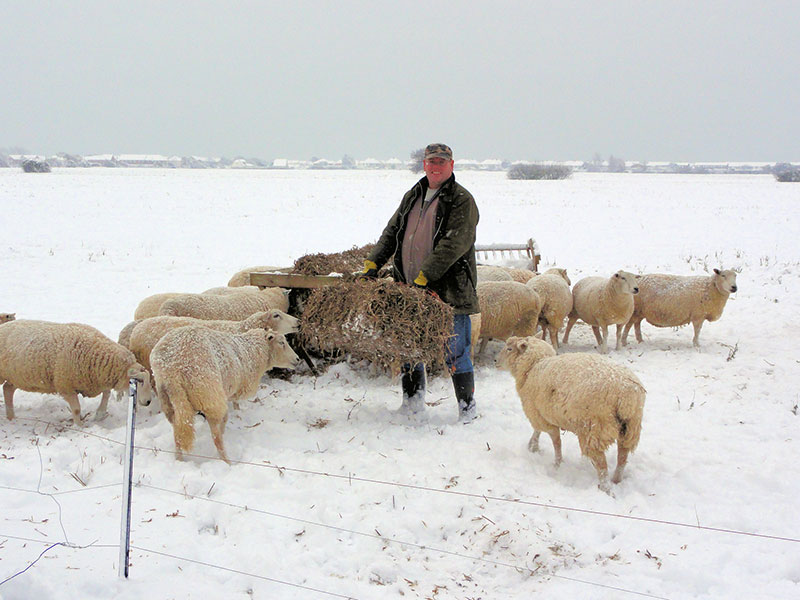
The pregnant ewes are yarded to prevent winter damage to the grass fields and to give them more shelter during the winter months in the later stages of pregnancy. They are fed an increasing diet of concentrated food and hay as they approach lambing time. The rams (male sheep) and the previous year’s ewe lambs that will not lamb are kept on the further away fields & fed supplementary hay & feed blocks. Winter feeding is important as the sheep need extra care whilst pregnant. Snowy spells can be particularly difficult.
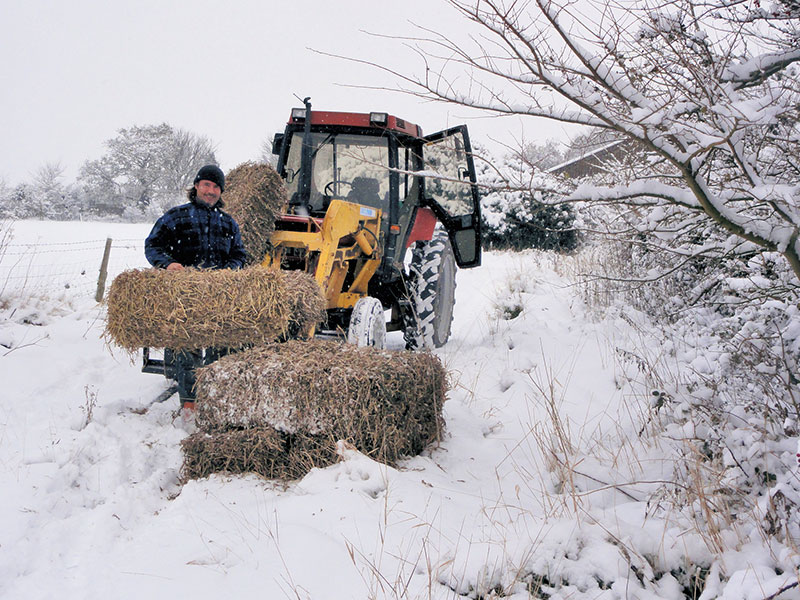
Other work includes routine maintenance of the tractors & machinery, mending fences and planting hedges & trees.

March / April
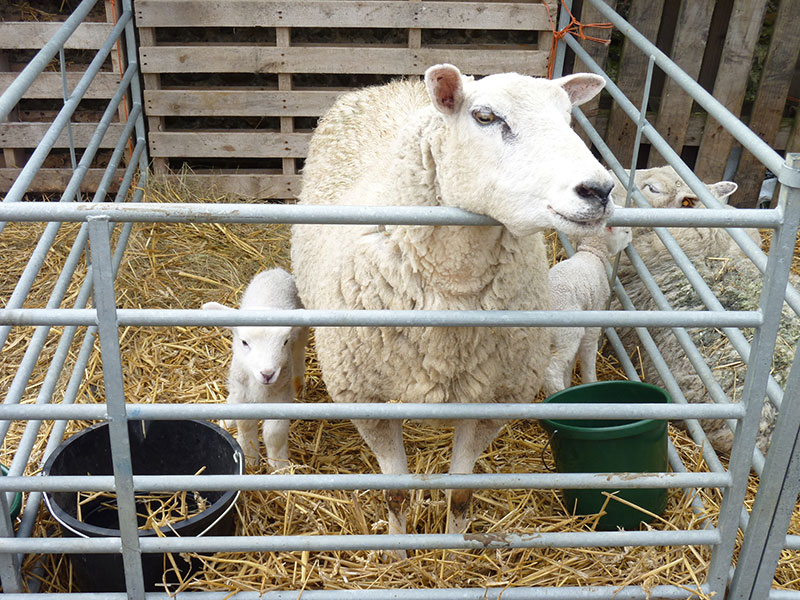
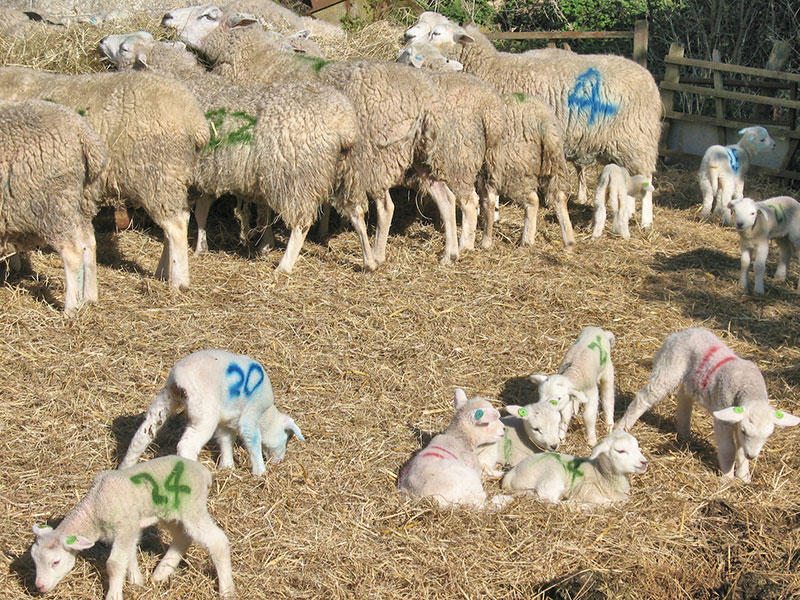
Lambing time. This is an exhausting time for us as the ewes have to be checked every 2 hours, night & day. Occasionally we may have to help correct bad birth presentations, prolapses and other problems. After birth the lambs are penned up with their mothers for 24-48hrs until they are strong enough to go into the main pen. Their navels are sprayed with antiseptic iodine to prevent infection and weak lambs are given supplementary colostrum & milk. There are many stock jobs to do at this time so it is a busy, tiring but rewarding time.
During this time we are also preparing the grass for the year ahead. The grass will be chain harrowed, rolled & fertilised and any bare patches from the winter re-seeded.

April
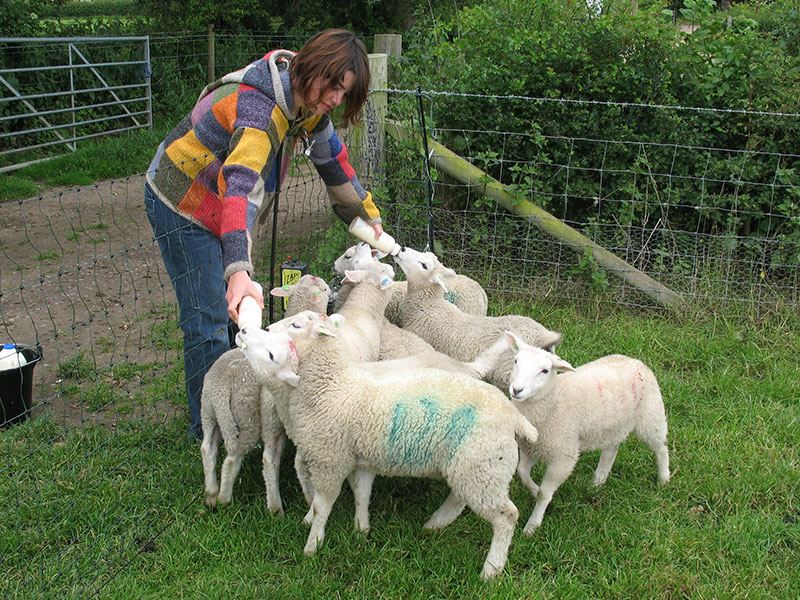
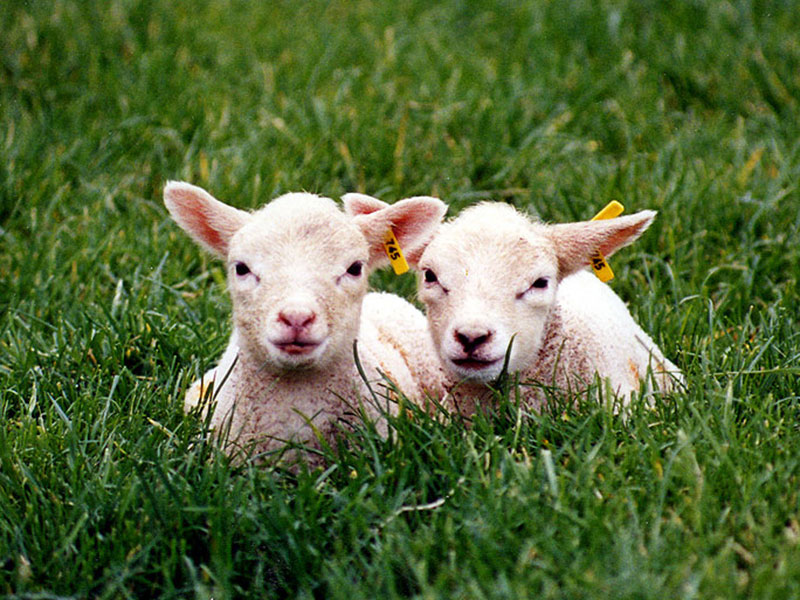
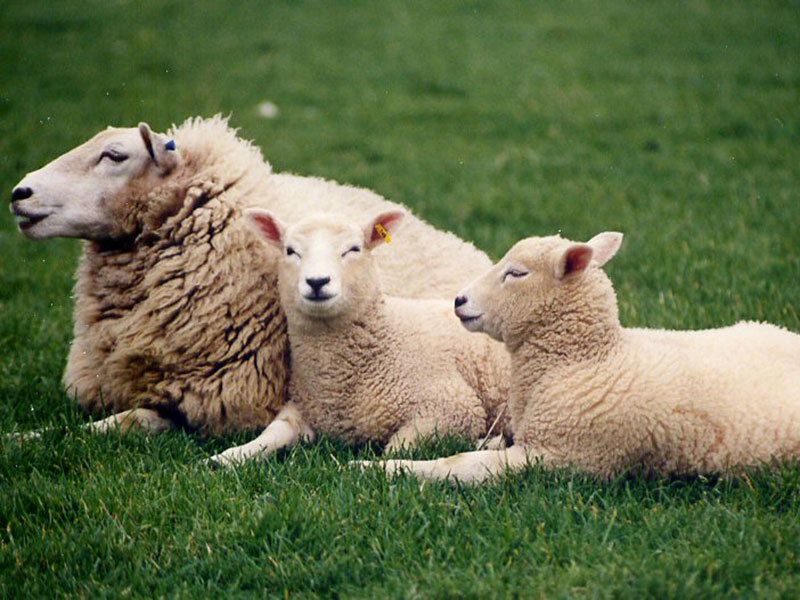
The ewes and lambs are turned out onto grass. They are still checked several times a day & the bottle fed ones need increasing amounts of milk. As the grass growth increases, the field will gradually be closed up for haymaking. We do not dip the sheep any more, but apply more environmentally friendly anti-fly sprays to the ewes to prevent fly strike (a dangerous condition where the fleeces are attacked by blowflies). The sheep are also foot-bathed & treated to prevent foot-rot which can cause lameness, and vaccinated against bluetongue. A watch is kept for fox and especially dog attacks, an increasing problem over recent years as more people move from the towns to the countryside and do not realise what damage their pet dogs can cause if let off the lead around sheep.
May
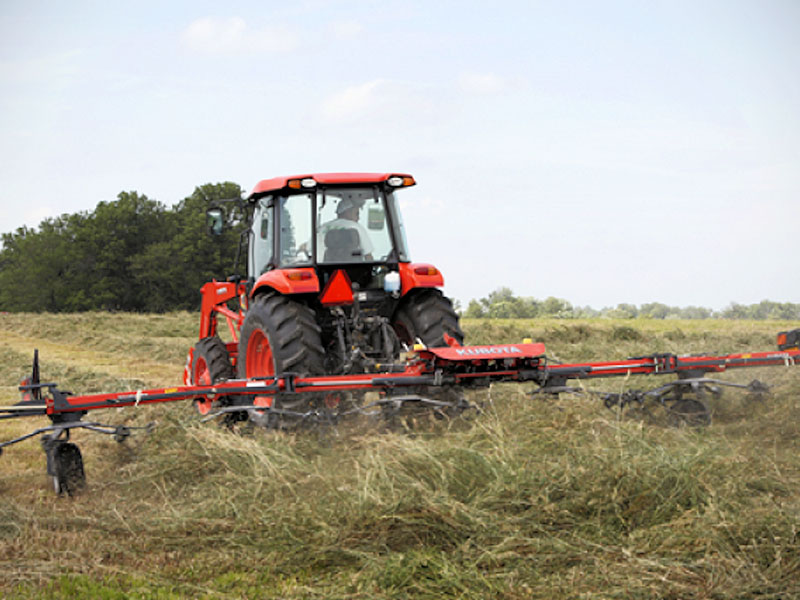
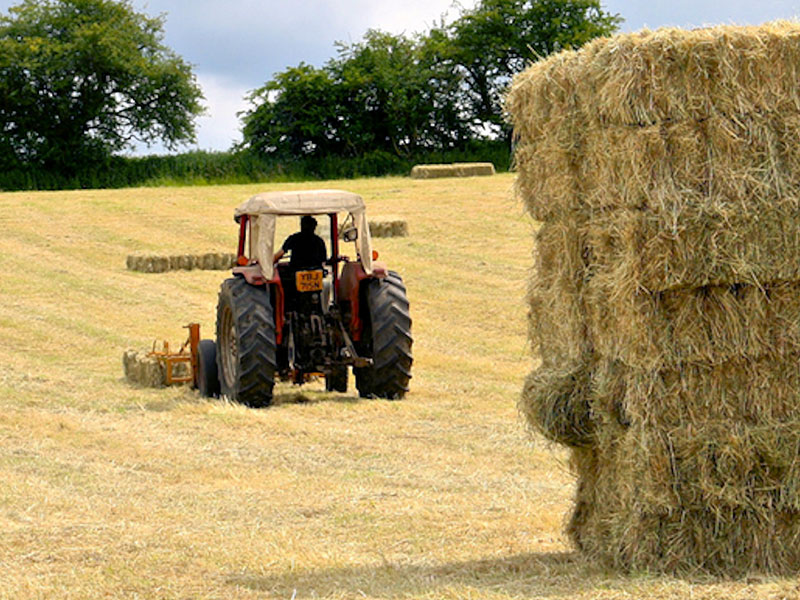
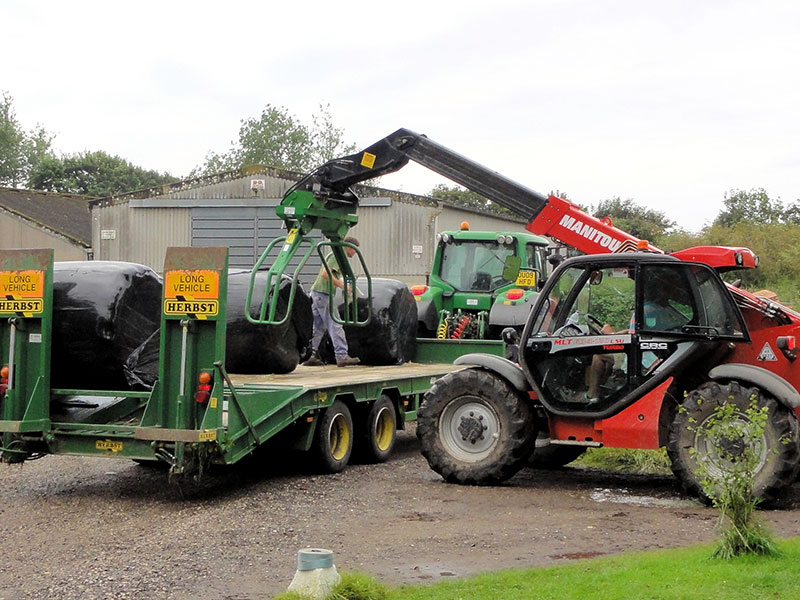
When the weather permits, haymaking & silaging starts. Hay is dried grass and silage is fermented grass either baled & wrapped or made in a silage clamp. The grass is cut, tedded (turned) and after 1-2 weeks when dry enough, it is baled & stacked in the barn for feeding the sheep during the winter months. The grass aftermaths are fertilised to provide late summer grazing, maybe a second cut of hay & provide fields of good grass for autumn flushing and tupping of the ewes (see below).
June
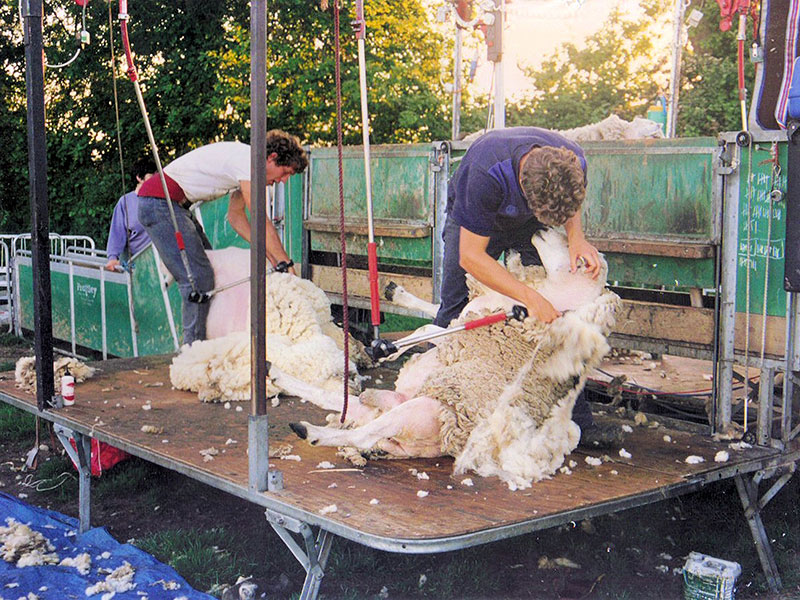
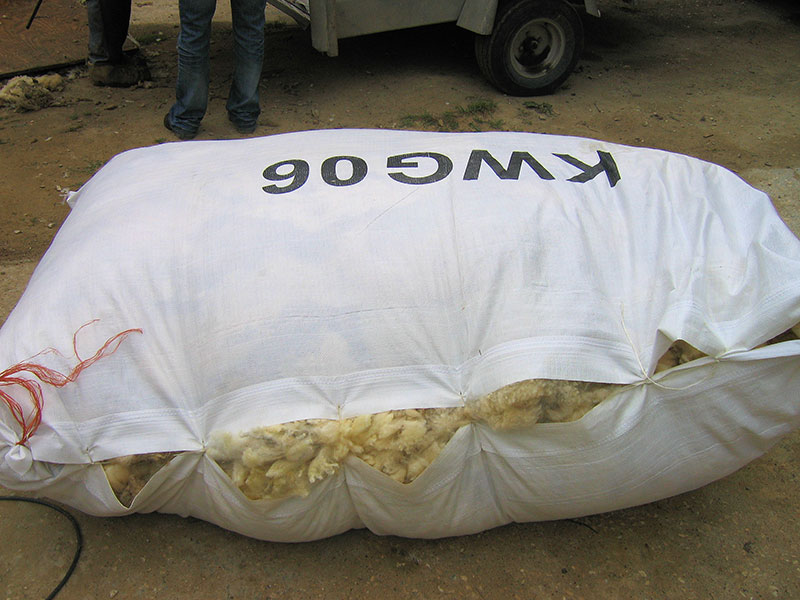
The sheep are usually sheared in mid-June so it is a busy time when the shearers arrive to help with shearing. Shearing is a skilled job that takes years to master. The wool is bundled carefully and put into woolsacks for transport to the British Wool Marketing Board auctions. Wool used to be so valuable in medieval times that the Chancellor traditionally sits on the “Woolsack” in parliament as a recognition of its importance but sadly nowadays, despite it being the most eco-friendly fabric it is not worth much as modern plastic based fabrics have taken over. It is a great relief for the ewes to lose their fleece in the hot summer weather & shearing helps reduce flystrike.

July / August
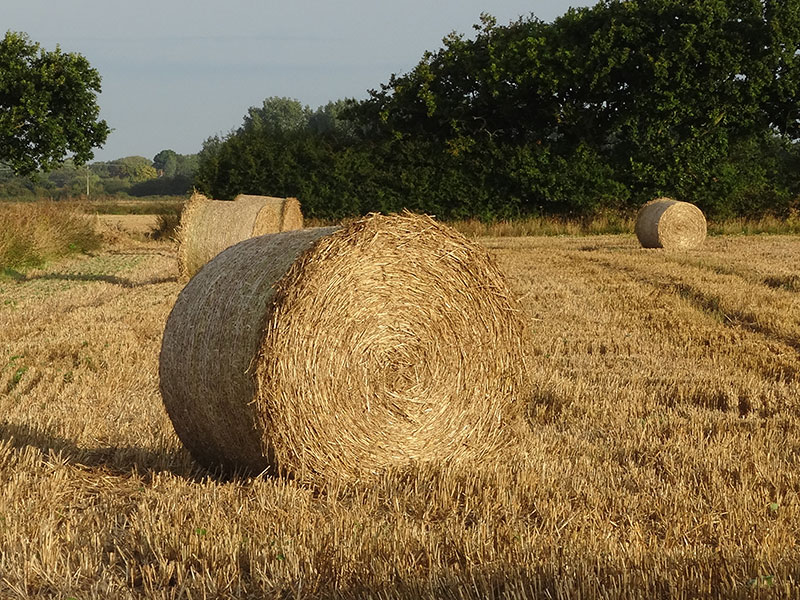
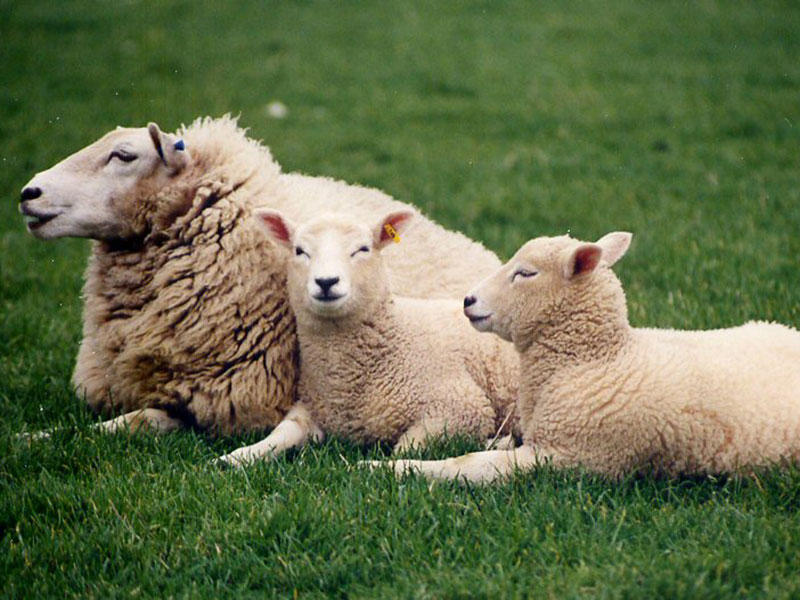
The local harvest is underway and the straw (what is left after wheat grain is threshed by combine harvesters) is baled, carted & stacked in the barn to provide winter bedding for the ewes & lambs. The lambs are weaned off milk and the ewes sorted and grazed accordingly: thin ewes are put on good grass; fat ewes on tighter grass to get them in good condition for tupping. Routine stock jobs such as foot bathing, drenching & anti-fly treatments keep the ewes and lambs healthy and the first draws of lambs for market are made. We produce mainly breeding ewes for sale to other flocks and the remainder not suitable for breeding will be sold at market or direct. The rams are foot-trimmed & prepared for the breeding season.

September
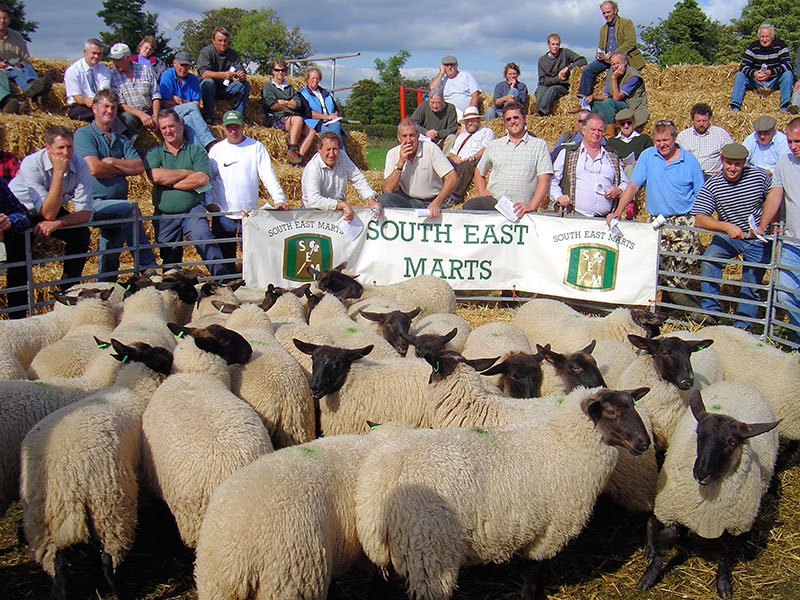
September is the month of the sheep sales where most of our shearlings are sold as breeding stock to other farms. Our own flock is made up for the new breeding year. Last year’s shearling ewes (gimmers) will be added as replacements for older ewes & ones that can no longer breed. The ewes are given a health “overhaul” including foot-trimming, drenching and vitamin & mineral supplements before being put on good grass to “flush” them before tupping. Flushing on good grass causes the ewes to produce more eggs when they ovulate, thus producing more twins & triplets at lambing time.


October
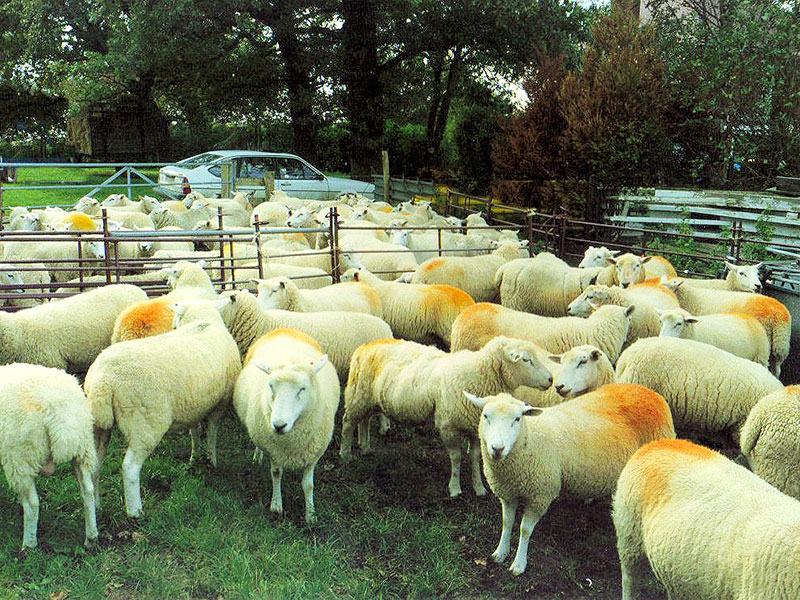
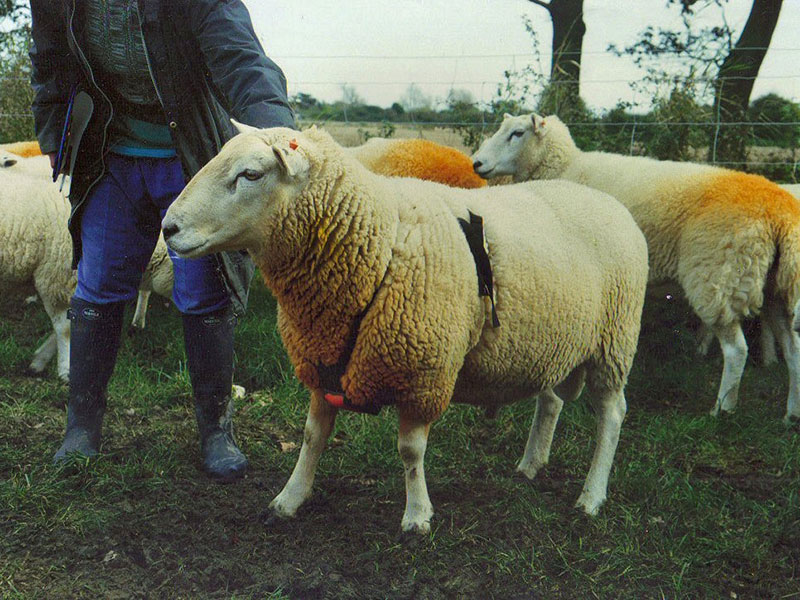
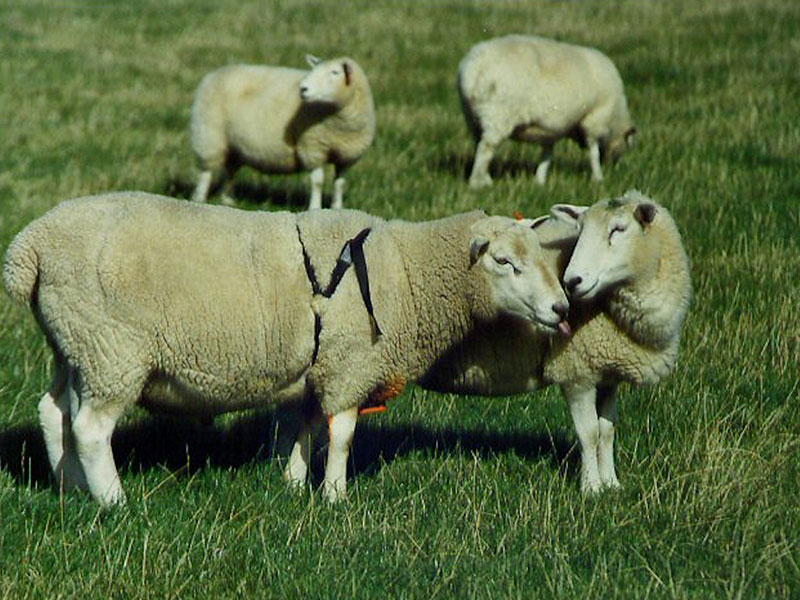
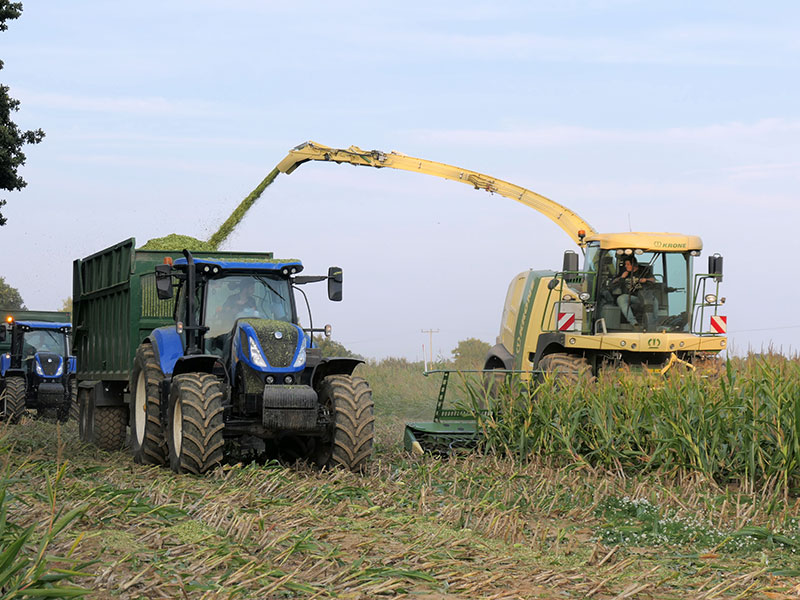
The new lambing cycle start when the rams are introduced to the ewes for mating, a process known as “tupping”. The rams are fitted with a raddle harness containing a coloured crayon which shows when they have serviced the ewes. The colour of the crayon is changed every two weeks to show when the ewes have been tupped so that an approximate date for lambing can be calculated. Autumn & winter problems include dog attacks or scares which can cause pregnant ewes to abort. The final preparations are made for winter, if we are short of feed a nutritious maize silage is made to help supplement winter feeding.
November / December
As the year draws to a close and the days get shorter, the ewes are kept on grass as long as possible before being yarded for the winter. Supplementary hay & molasses blocks are fed as the grass growth slows. The ewes are condition scored to keep them in optimum condition during pregnancy. Winter jobs include servicing the tractors and machinery, repairing fences and planting new hedges & trees.